
AI-native segment
The best AI agent development companies, ranked by evidence
A different species from the automation agency. These 186 firms build against LLM APIs and agent frameworks directly, ground their systems in retrieval, and ship evals to prove the work. Ordered by an evidence score built from named case studies, real reviews, and genuine partnerships. Never by who paid.
Updated October 2026
- AI-native firms
- 186
- AI-native firms
- Verified
- 69
- Verified
- on agent frameworks
- 11
- on agent frameworks
- ship evals
- 5
- ship evals
The read
“AI agency” now covers two firms that do genuinely different work. One connects your existing apps with no-code tools like Make and Zapier and charges a retainer to keep the workflows running. The other writes software: agents that reason and take actions, grounded in your own data through retrieval, wrapped in tests that prove they behave. This page is the second group.
Three things separate them, and they show up on the website if you know where to look. First, the stack: AI-native firms build on agent frameworks like LangGraph and CrewAI or the model SDKs directly, not a no-code canvas. Second, and most telling, they talk about evals: evaluation suites, guardrails, and observability that measure whether the system is right. No automation reseller ships a regression harness. Third, the economics: they sell a scoped engineering project, a six to twelve week agent build, not an open-ended maintenance retainer.
Neither model is better in the abstract. If your problem is stitching tools together, an automation agency is cheaper and faster. If it needs a system with judgment in the middle, you want a firm that builds and tests one. Ordering here is driven by checkable evidence, and the AI-native label itself is assigned from what each firm shows on its own site.
Which AI-native firms have the strongest evidence?
The top of the segment, side by side, with the production-stack signals we could verify at review time.
| Firm | Tier | Stack signals | Evidence on file | Engagement |
|---|---|---|---|---|
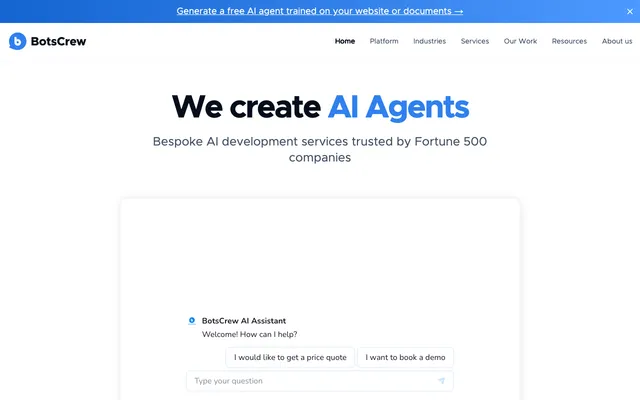
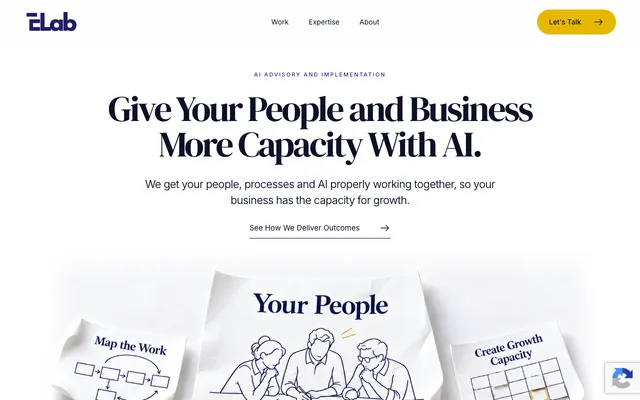
| BotsCrew | Verified | LangChain, RAG | 7 case studies, 39 reviews | project |
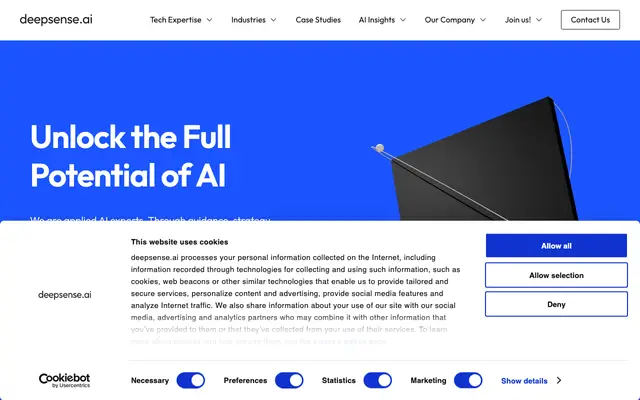
| deepsense.ai | Verified | Custom builds | 5 case studies, 10 reviews, 7 certs | project |
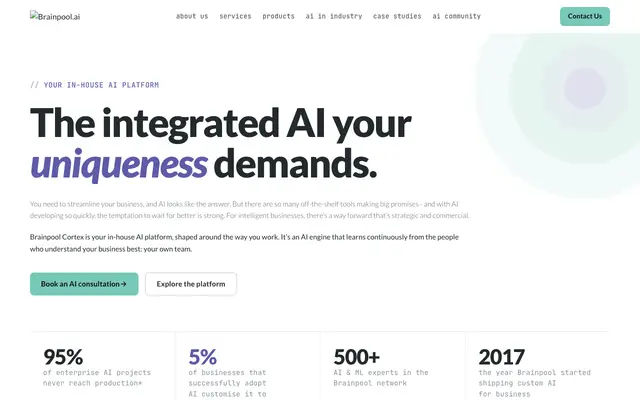
| Brainpool | Verified | Custom builds | 7 case studies, 4 reviews, 1 cert | project |
| Elevate AI Consulting | Verified | Custom builds | 5 case studies, 114 reviews, 1 cert | project |
| Halfspace ApS | Verified | Custom builds | 17 case studies, 4 certs | project |
| DataRoot Labs | Verified | Custom builds | 8 case studies, 73 reviews | project |
| Purple Horizons | Verified | Custom builds | 4 case studies | retainer |
| Matom.AI | Verified | Custom builds | 3 case studies, 5 reviews, 1 cert | project |
| Addepto | Verified | Custom builds | 5 case studies, 19 reviews, 1 cert | project |
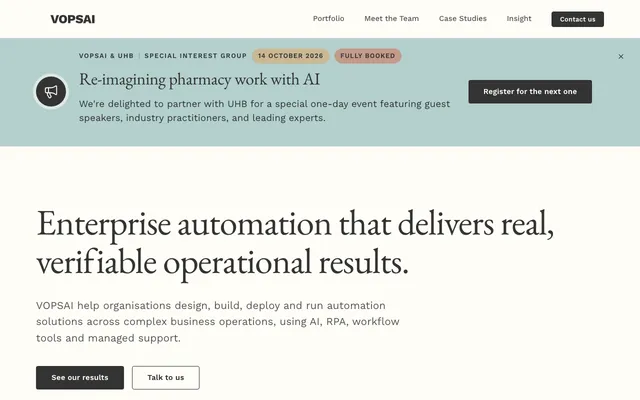
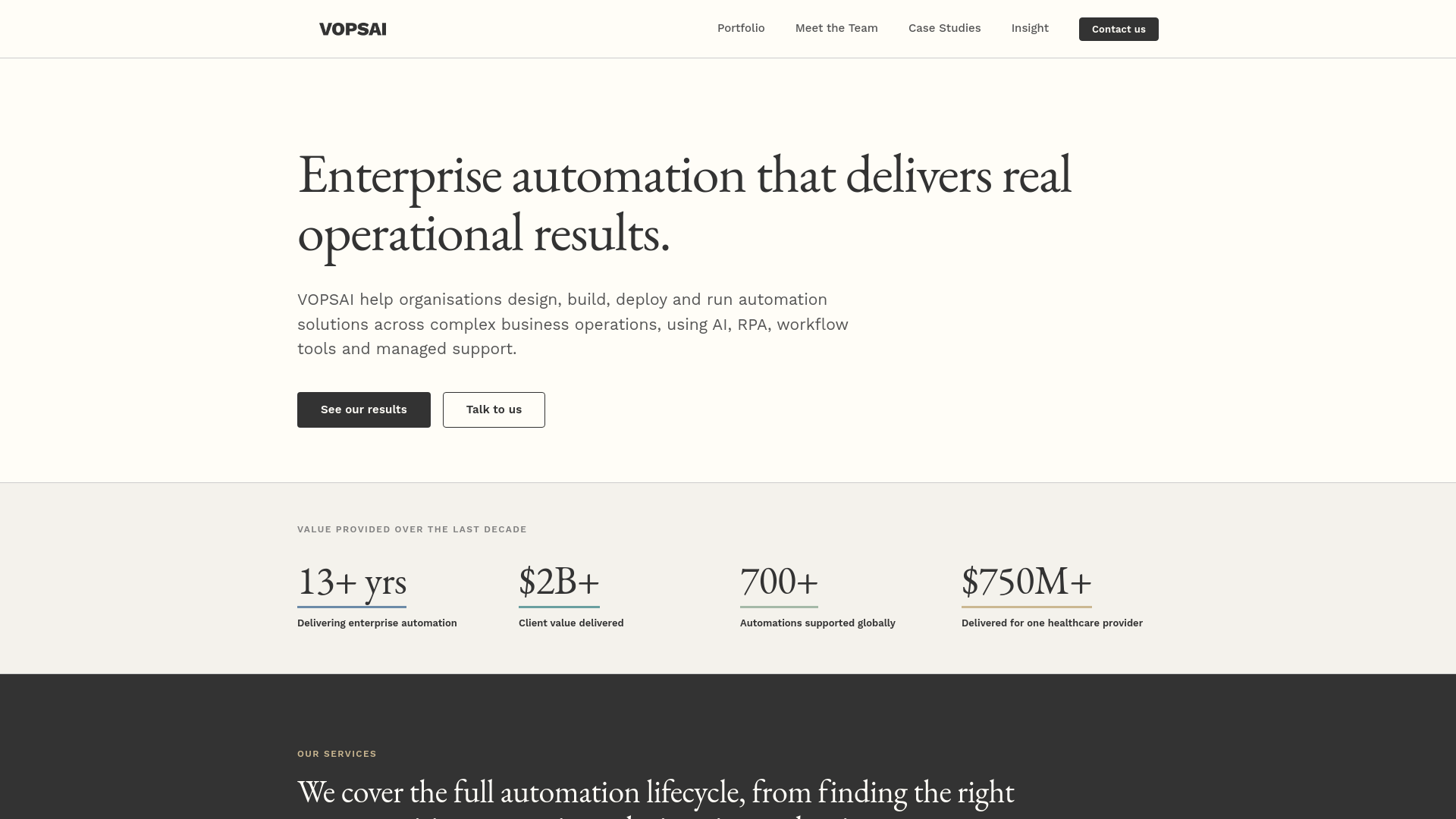
| Virtual Operations | Verified | Custom builds | 4 case studies, 3 certs | Consulting programmes from readiness assessment through build, plus Control Tower, a managed run service for automations in production. Entry point is a free consultation booked through the site. |
Every AI-native firm on the roster
All 186 AI-native providers, ranked by evidence. Prefer a firm that works across both models? See the automation agencies instead.


























































































































AI agent development companies: common questions
What is an AI-native agent development company?
A firm that builds AI systems by engineering against language-model APIs and agent frameworks directly, rather than assembling no-code automations. In practice that means custom builds on LangGraph, CrewAI, or the raw Claude and OpenAI SDKs, retrieval systems backed by a real vector database, and, most tellingly, evaluation suites that prove the agent works before it ships. It is an engineering discipline, not a platform-reselling one.
How is this different from an AI automation agency?
An automation agency wires your existing tools together with platforms like Make, Zapier, and n8n, and usually sells a monthly retainer to maintain those workflows. An AI-native firm writes software: it builds agents that reason and act, grounds them in your data with retrieval, and ships tests and guardrails around them, typically as a scoped engineering project. Both are legitimate. The right choice depends on whether your problem is connecting apps or building a system with judgment in the middle.
Why do evals matter when choosing an AI development firm?
Evals are how a firm knows its AI actually works, and keeps working, rather than looking good in a demo. A team that ships evaluation suites, guardrails, and observability can tell you the measured accuracy of a system and catch regressions before you feel them in production. It is the single sharpest marker separating the 2024 to 2026 engineering generation from firms that rebrand no-code automation as AI. Ask any candidate how they measure whether the agent is right.
What do AI agent development companies charge?
Most price by scoped engineering project rather than an open-ended retainer. A production agent build commonly runs as a fixed six to twelve week engagement, and some firms offer a fractional AI-engineering team on a monthly subscription. The economics resemble a software consultancy, not an automation shop maintaining your Zaps. See the pricing guide for the ranges computed from the roster's own data.
How is this ranking ordered?
By an internal evidence score built from named case studies, third-party reviews, real vendor partnerships, cross-listings, and a public trail of work. Placement is never for sale, and every provider carries a last-verified date so you can judge freshness yourself. The AI-native label itself is assigned from the evidence on each firm's own site, not self-reported by the firm.